Project Past Home

Category

Digital History

6 articles

What the Memo Said: How Newly Opened Corporate Archives Are Exposing the Private Calculus of Civil Rights-Era Business

What the Memo Said: How Newly Opened Corporate Archives Are Exposing the Private Calculus of Civil Rights-Era Business

Declassified and newly donated corporate archives from major American companies are yielding internal memos, policy directives, and executive correspondence that tell a fundamentally different story about the private sector's response to the Civil Rights Movement than official histories have acknowledged. Researchers accessing these records are finding that the gap between public corporate statements and internal deliberations was not incidental—it was managed.
Drawn in Red Ink: How Archival Maps and Municipal Records Are Quantifying the Geography of Segregation

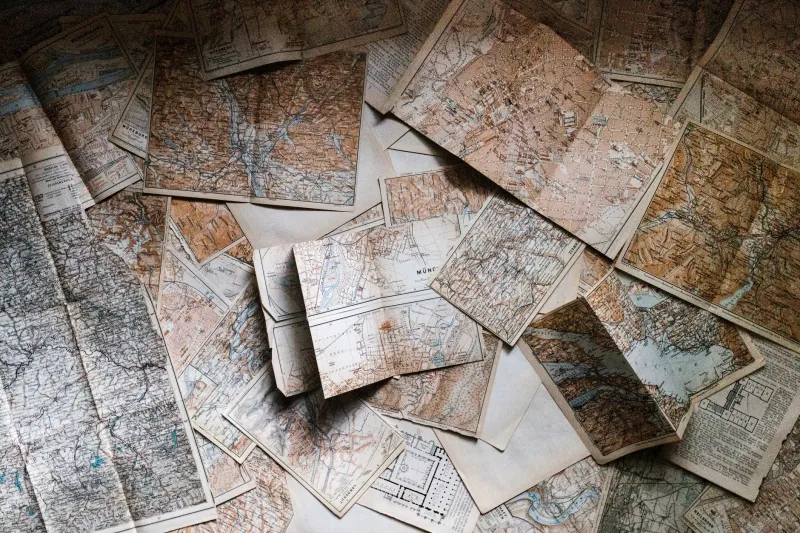
Drawn in Red Ink: How Archival Maps and Municipal Records Are Quantifying the Geography of Segregation

Declassified federal housing maps from the 1930s have long been recognized as evidence of institutionalized racial discrimination. Now, historians are combining those maps with city planning documents, property transaction records, and tax assessment files to produce a granular, neighborhood-level account of how deliberate policy choices engineered the wealth disparities that define American cities today. The archive, it turns out, recorded everything.

Speaking the Record Into Existence: How Community Oral History Projects Are Preserving What Official Archives Were Built to Ignore

Speaking the Record Into Existence: How Community Oral History Projects Are Preserving What Official Archives Were Built to Ignore

Traditional institutional archives were never neutral repositories. They reflected the values, priorities, and prejudices of the governments, universities, and corporations that funded them—which meant that entire populations lived and died without leaving a trace in the official record. A new generation of community archivists and oral historians is changing that, one recorded conversation at a time.

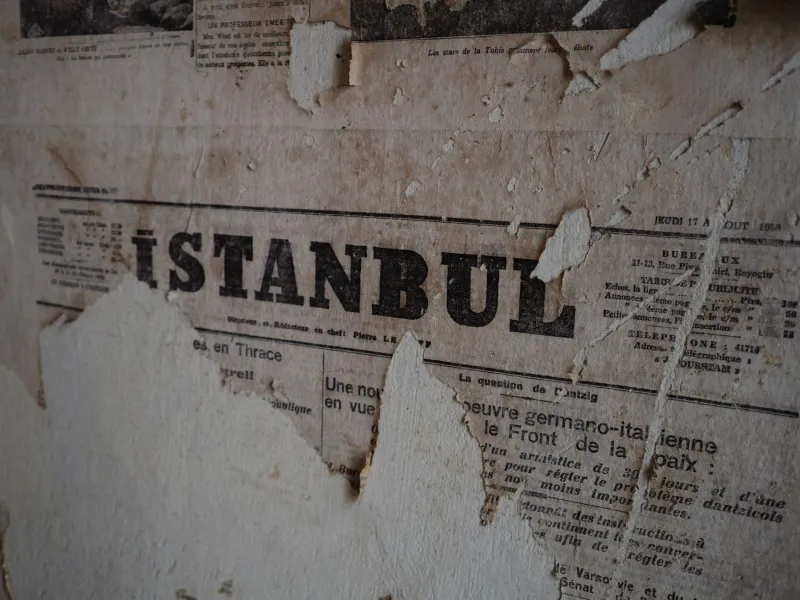
Between the Notices: Reading the Social History of 19th-Century America Through Its Forgotten Newspaper Columns

Between the Notices: Reading the Social History of 19th-Century America Through Its Forgotten Newspaper Columns

The front pages of nineteenth-century American newspapers recorded wars, elections, and the pronouncements of the powerful. It is the back pages — the dense columns of auction notices, labor advertisements, missing person appeals, and commercial announcements — that recorded how ordinary people actually lived, worked, and suffered. Scholars are now treating these overlooked texts as primary historical documents of the first order, and what they are finding challenges comfortable assumptions abou

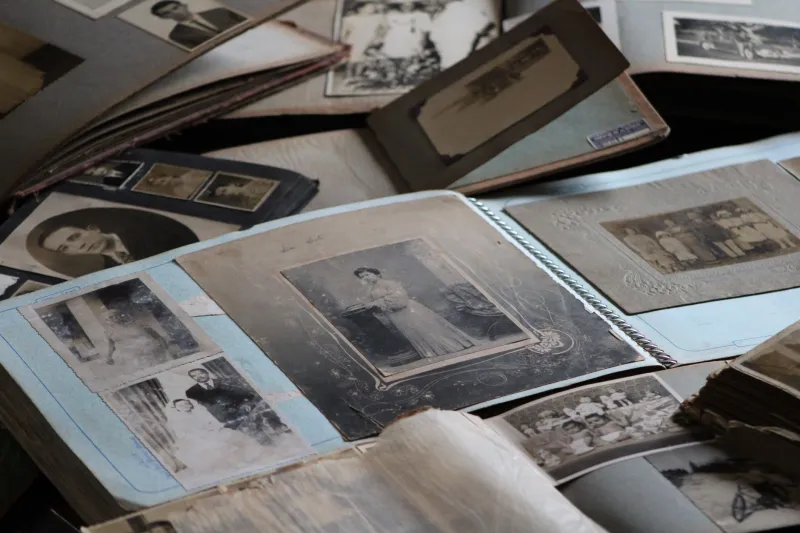
Tracing the Thread: A Beginner's Roadmap to Discovering Your Family's History Through Free Government Records

Tracing the Thread: A Beginner's Roadmap to Discovering Your Family's History Through Free Government Records

Millions of Americans carry questions about their family's past that seem just out of reach — a great-grandmother's maiden name, a grandfather's military service, a immigration record from a century ago. The good news is that an extraordinary wealth of digitized government records is freely available online, and with the right approach, even a complete beginner can begin assembling a remarkably detailed picture of their ancestors' lives.

From Attic to Algorithm: How Everyday Americans Are Unlocking Millions of Handwritten Historical Records

From Attic to Algorithm: How Everyday Americans Are Unlocking Millions of Handwritten Historical Records

Across the country, volunteers armed with nothing more than a laptop and a curiosity for the past are transcribing millions of handwritten historical documents — from Civil War diaries to immigration manifests — and making them searchable for the very first time. Crowdsourced transcription initiatives led by institutions like the Library of Congress and the Smithsonian are reshaping who gets to participate in historical research. The results are accelerating discovery at a pace that traditional